The Essentials
What it is.
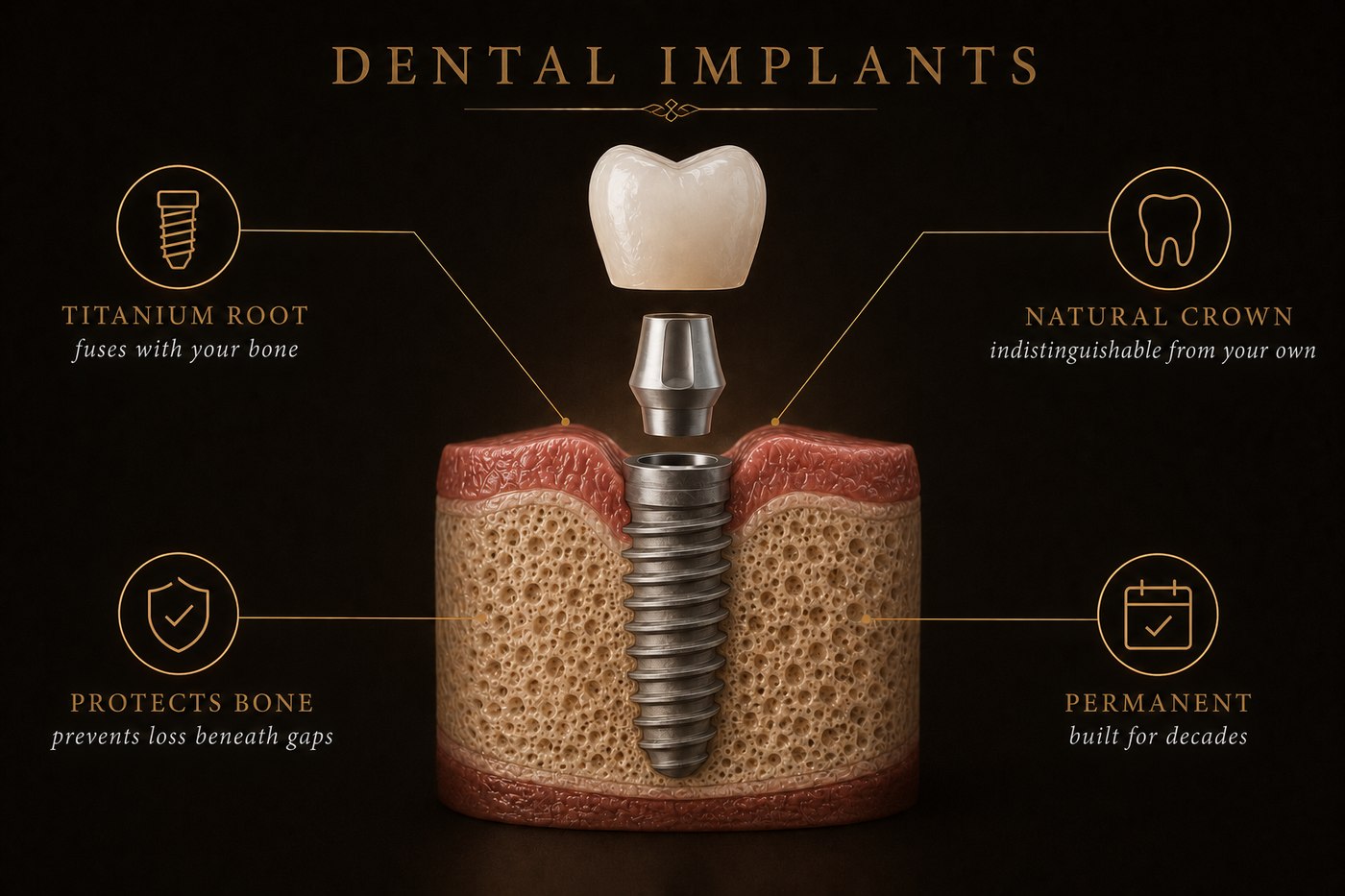
A dental implant is a small titanium post that takes the place of a missing tooth’s root, topped with a crown crafted to disappear among your natural teeth. Because the implant fuses with your jawbone, it functions — and feels — like your own tooth, and it protects the bone that would otherwise recede beneath a gap.
Implant treatment here is a team effort, the way the best implant work is done: a trusted surgical specialist places the implant itself, and Dr. Paulson designs the plan and the final teeth. Before dental school he spent eight years fabricating implant restorations as a master lab technician, so the restoration is planned first and checked last by the same craftsman’s eye. From a single tooth to a full arch — including LOCATOR FIXED® permanent teeth — the destination is decided before anyone begins.
Is This You?
Sound familiar?
- A missing tooth you hide when you smile
- A denture that slips, clicks, or limits what you eat
- A bridge that failed, or neighbouring teeth you’d rather not grind down
- A gap that’s been there for years — and bone you’d like to keep
- Wondering whether implants could anchor something permanent
The Process
What to expect.
- Plan backwards from the final tooth
Photographs, a 3Shape TRIOS® scan and digital imaging come first. The restoration is designed before any surgery is scheduled — the implant goes where the tooth needs it, not the other way round.
- Placement, by a surgical specialist
The implant itself is placed by an oral surgeon or periodontist we work with case by case — a specialist who places implants every day. Dr. Paulson shares the full digital plan with them, and you come back to us for every step after.
- Healing, unhurried
Over the following months the bone fuses to the implant — osseointegration. It is the least glamorous stage and the most important one, and rushing it is how implants fail. Most patients wait three to six months; we will tell you honestly where you fall.
- The restoration, crafted and checked
The crown, bridge or denture is fabricated from the original digital design, and Dr. Paulson checks the finished work the way a lab technician would — because for eight years he was one.
Real Results
Before & after.
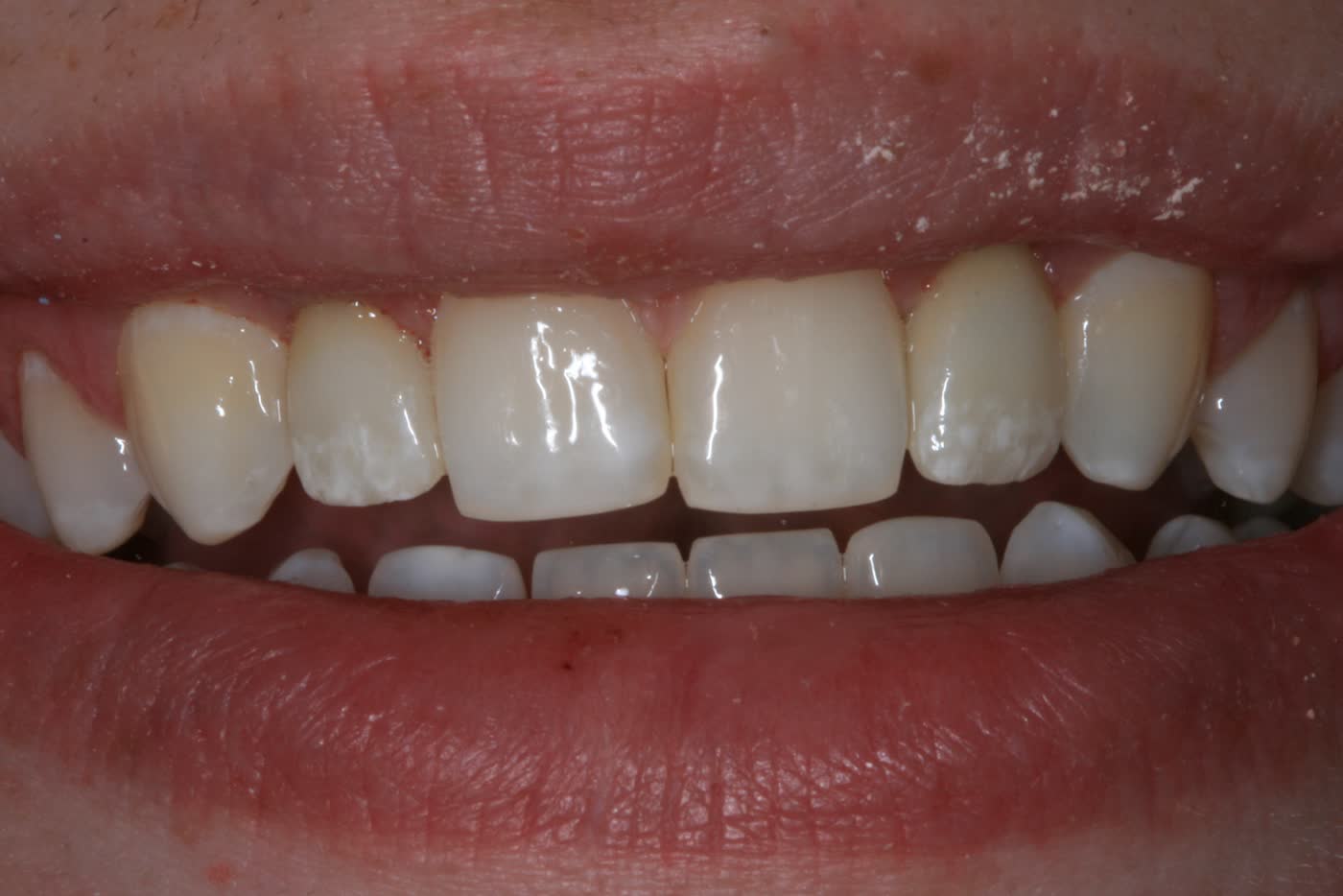
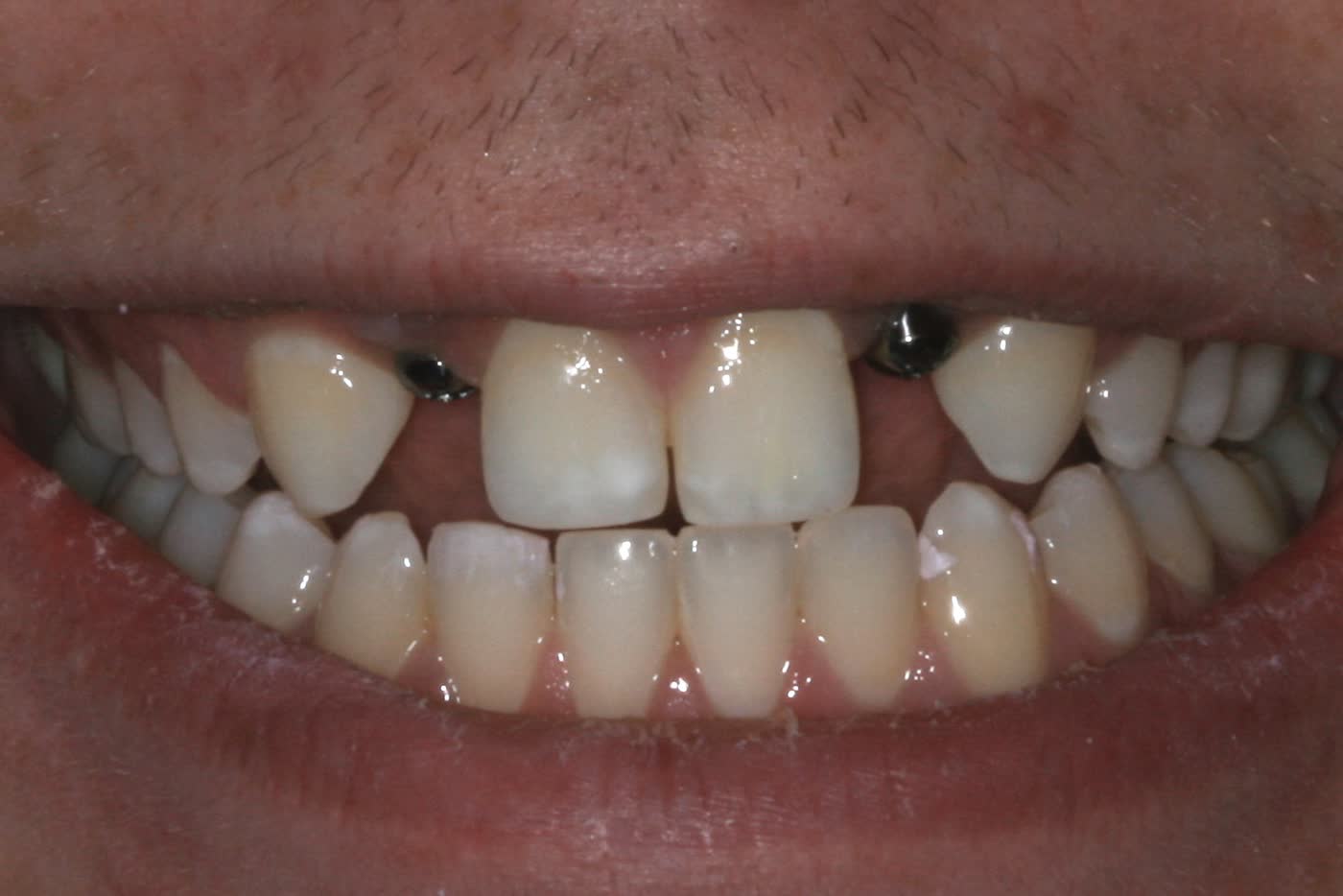
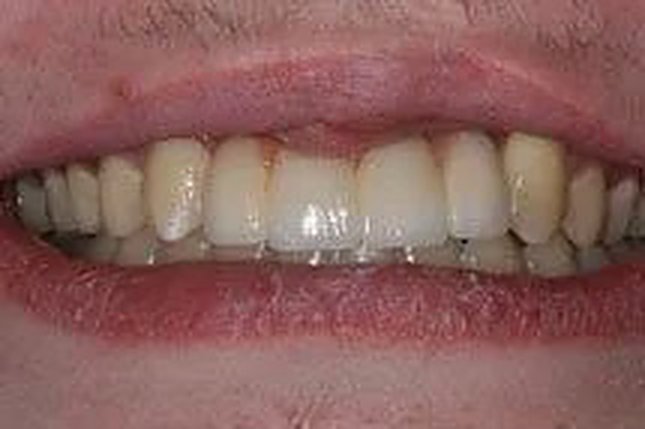
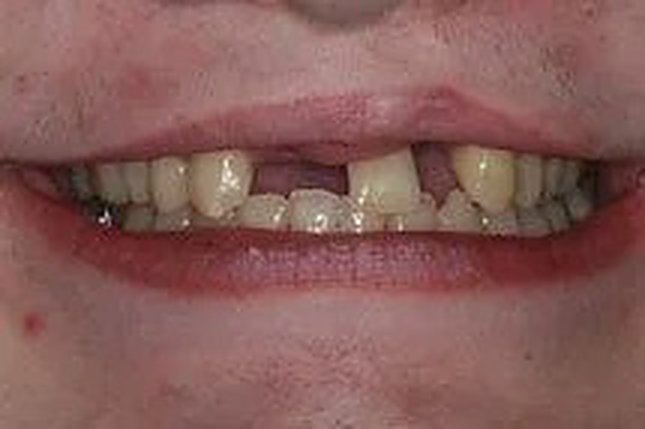
Missing front teeth replaced with implant crowns — placed by a surgical specialist, designed and restored here to disappear among his natural teeth.Actual Arbor Dental patient
Front teeth lost to a cleft palate replaced with implants after the repair — restored here to match the smile around them.Actual Arbor Dental patient
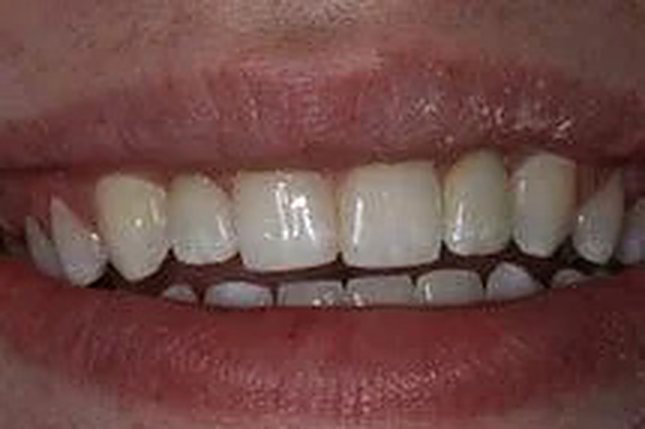
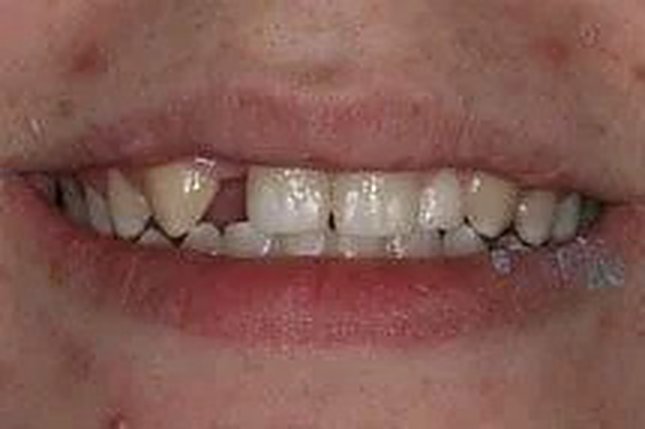
A missing tooth replaced with an implant, and a veneer beside it so the two read as one smile.Actual Arbor Dental patient
Good To Know
Questions, answered.
Who actually places the implant?
A surgical specialist — an oral surgeon or periodontist — not Dr. Paulson. That is deliberate: placement goes to someone who does it every day, and the restoration comes back to the dentist who designed it. You are never handed off; we coordinate the whole journey.
How long does the whole process take?
Typically four to eight months from planning to finished tooth, most of it healing time. Some cases qualify for a temporary tooth sooner — we will tell you before anything begins, not after.
Does getting an implant hurt?
Placement is done under local anaesthetic and most patients describe it as easier than an extraction. Mild sedation is available if the appointment itself is the hard part.
What does an implant cost?
It depends on the number of implants and what they will carry, so we put the actual figure in writing before treatment starts. If several teeth are missing, the full-arch options compare the paths honestly.
Can implants hold in a denture?
Yes — from a snap-in overdenture to LOCATOR FIXED® permanent teeth on the same implants. That flexibility is exactly why implants placed well are worth planning carefully.

Ready when you are.
New patients are welcomed with an unhurried, comprehensive first visit — photographs, a conversation about your goals, and a plan you'll understand completely.
Schedule a Consultation