
The Essentials
A denture that stops coming out.
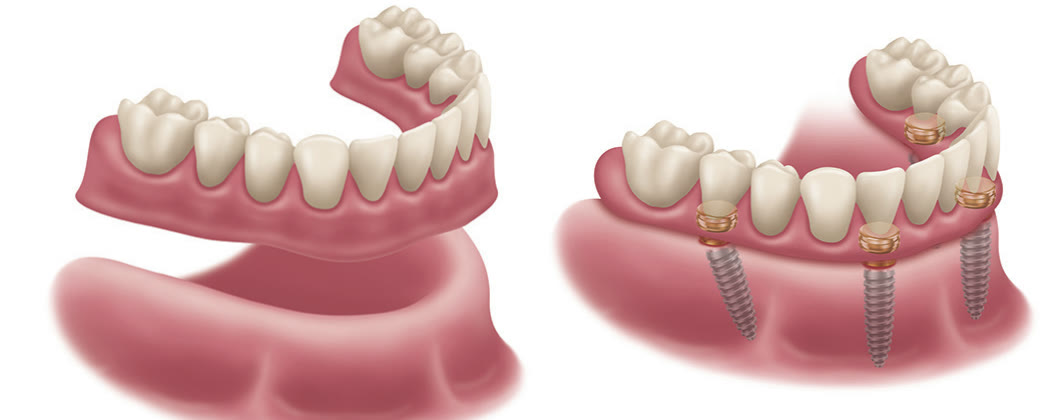
LOCATOR FIXED® is a full set of teeth that stays in. It attaches to dental implants and does not come out at night, does not need adhesive, and is removed only by the dentist — you brush it like natural teeth and eat what you actually want to eat.
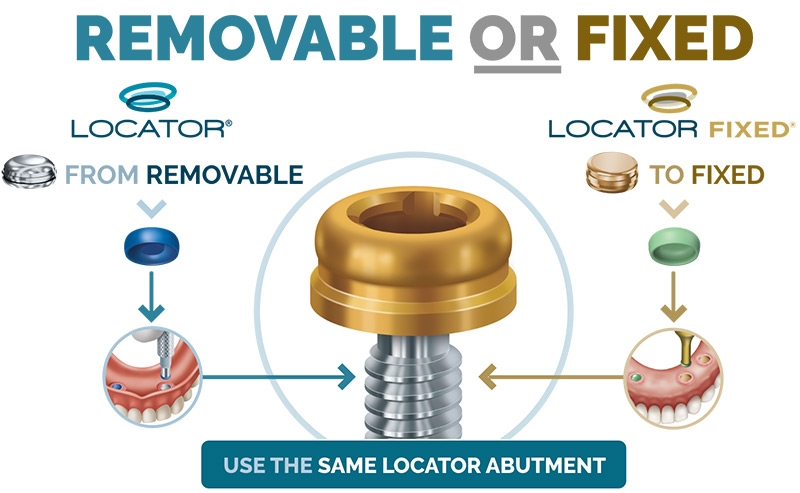
What makes it different from other “permanent teeth” options is what it is built on: the same LOCATOR® implant connections used by millions of snap-in overdentures. If you already wear one, your denture can very often be converted to fixed on the implants you already have — frequently in a single appointment.
How The Conversion Works
Same foundation,
different teeth.
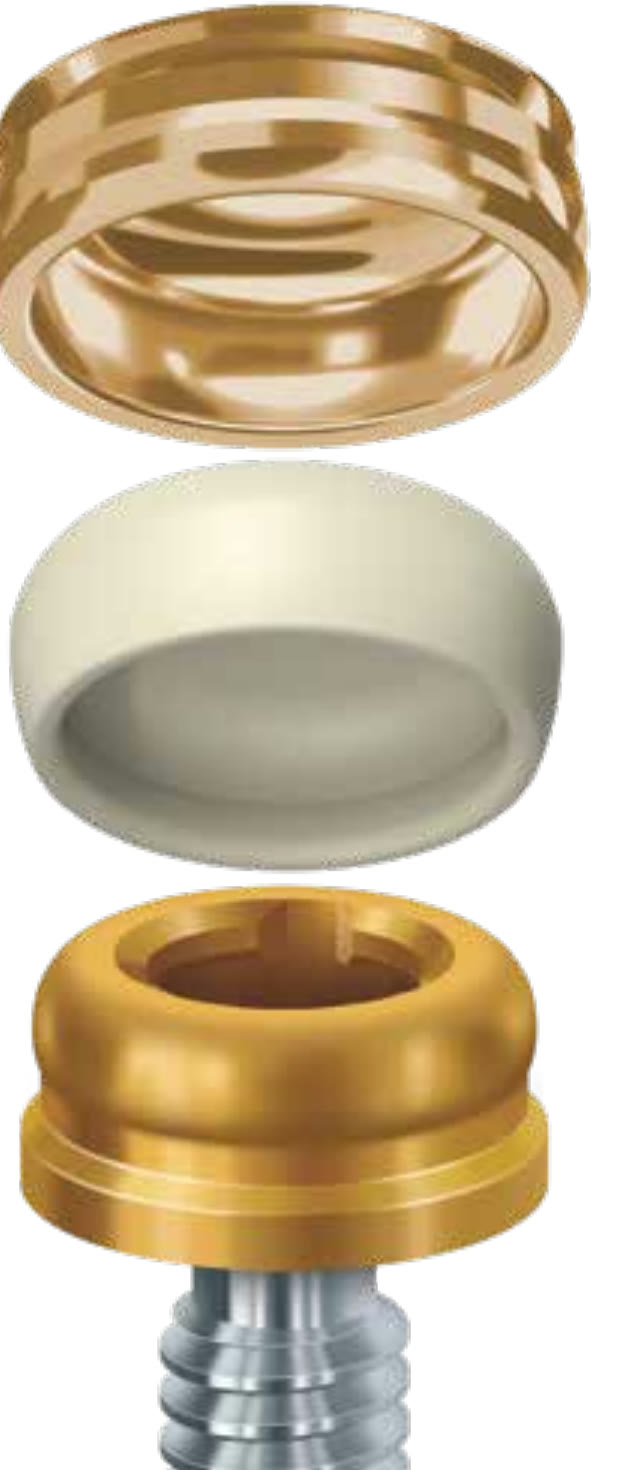
Every LOCATOR® connection has three parts. Converting a removable denture to fixed changes the middle one — not your implants, and usually not your abutments.
- The housing — a small metal cap set inside your denture. The FIXED version bonds more strongly.
- The insert — the part that grips. A removable denture uses a flexible insert you can snap out; LOCATOR FIXED® uses a rigid one that you can’t. This single part is the difference between removable and fixed.
- The abutment — the connection screwed to your implant. It stays exactly as it is, which is why the conversion is quick — and why the door swings both ways: if you ever want removable again, the same foundation takes you back.
Where It Fits
The honest middle rung.
Full-arch options form a ladder, and each rung costs more than the one below it. We put the actual figure for your case in writing before anything begins — what belongs on this page is where each option sits and why.
- Conventional denture
Rests on the gums. The least invasive and least secure — and the reason this page exists.
- Implant-secured overdenture
Snaps onto LOCATOR® abutments. Stable for eating, still removed nightly for cleaning.
- LOCATOR FIXED®this page
Fixed teeth on the same connections — a permanent-teeth lifestyle without rebuilding the foundation, and typically well below the cost of a screw-retained bridge.
- Screw-retained fixed bridge
The traditional fixed option. Excellent when it is right — and the most invasive and most expensive path.
In Their Words
Two patients, in their own words.
These are LOCATOR FIXED® patients filmed by Zest Dental Solutions, the system’s manufacturer — not Arbor Dental patients. Our own case is further down this page.
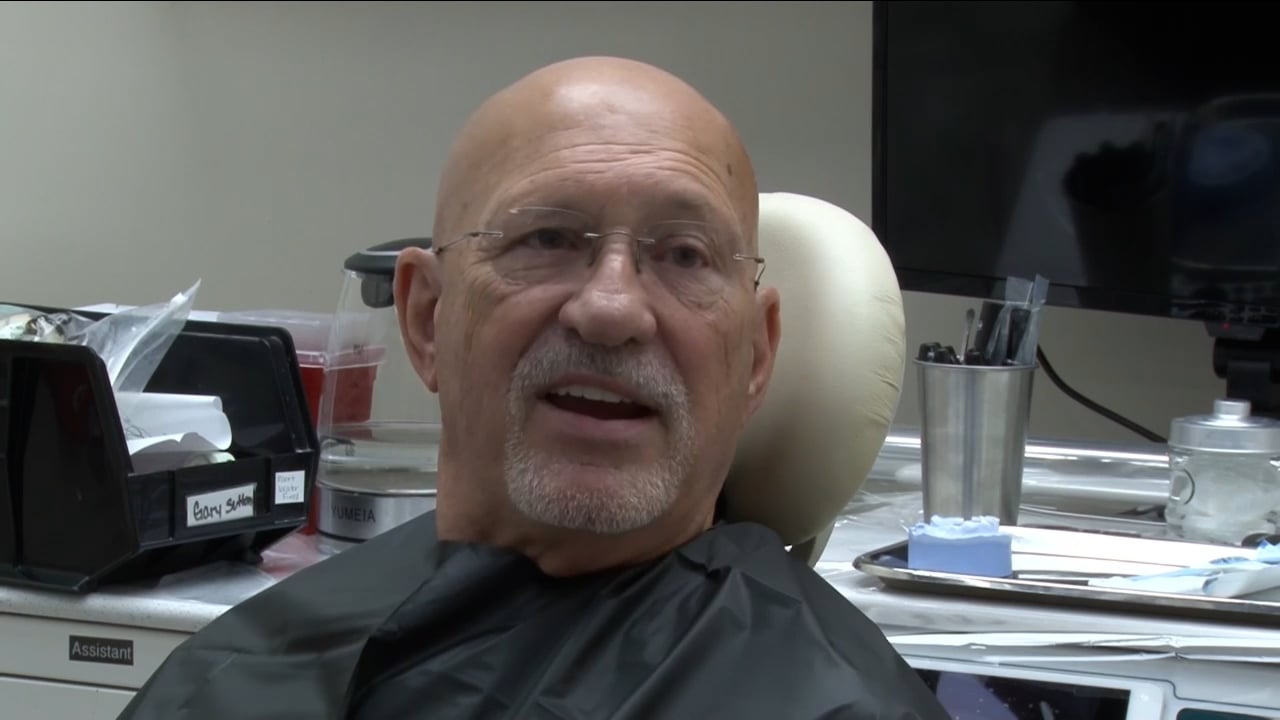
Videos courtesy of Zest Dental Solutions. They play from Vimeo when you press play — nothing loads from Vimeo until then.
Plain Answers
What it asks of you.
Four implants, minimum — placement is done by a surgical specialist we work with, and if you already have LOCATOR® implants the hard part may already be behind you. The retention inserts are single-use precision parts, replaced by us at maintenance visits, never re-seated. And “fixed” means fixed: only the dentist removes it, which is exactly what keeps it secure — you see us for professional cleaning around the implants instead of soaking a denture overnight.
Real Results
Before & after.
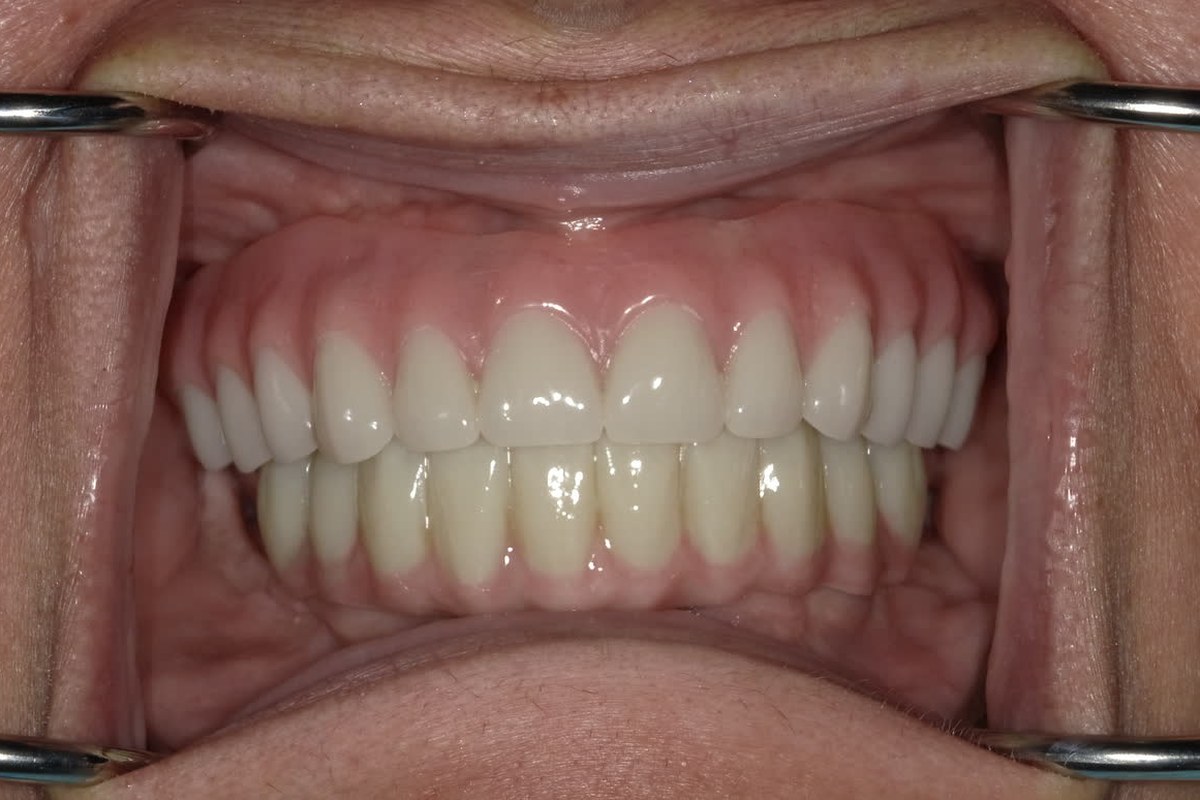
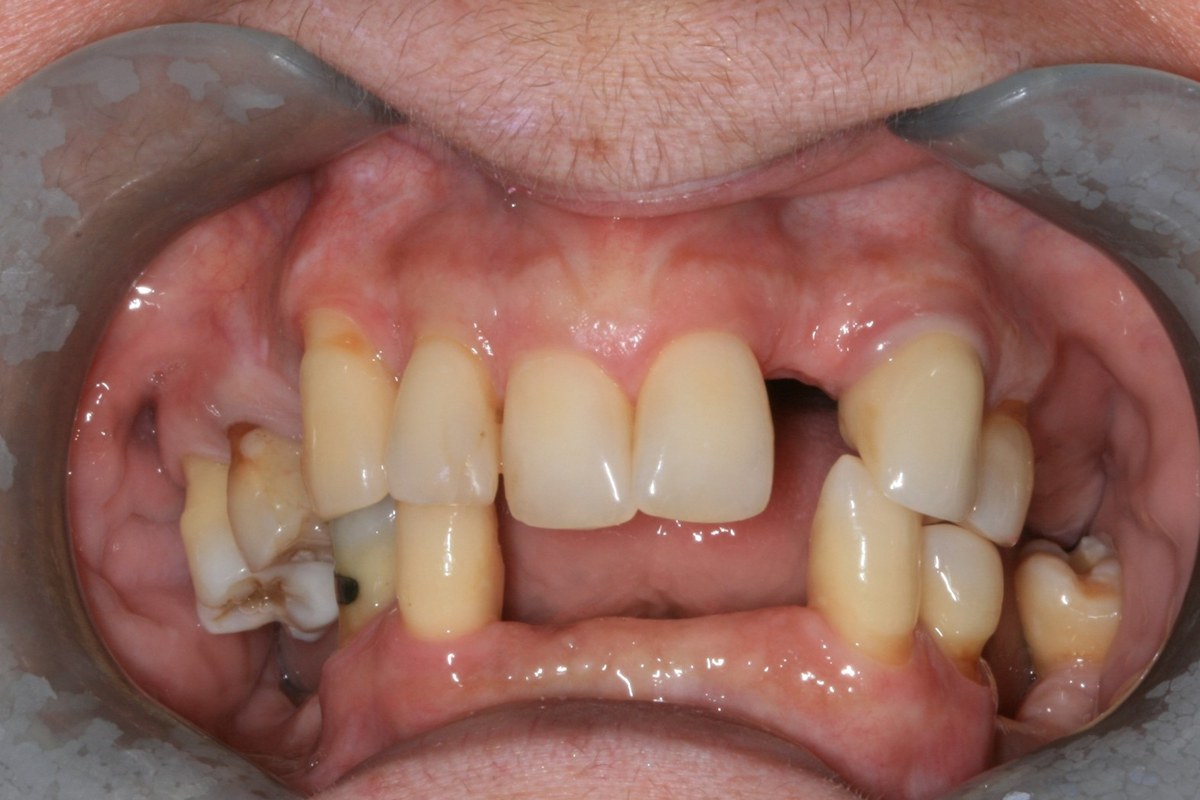
The lower arch, fixed to implants with LOCATOR FIXED®, under a new complete upper denture — the same patient, before and after.Actual Arbor Dental patient
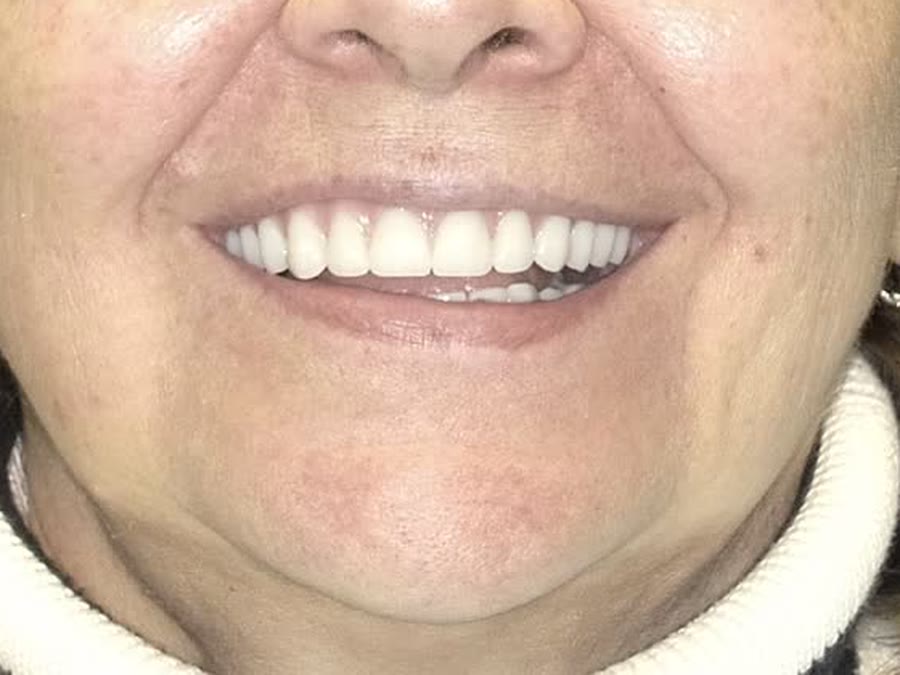
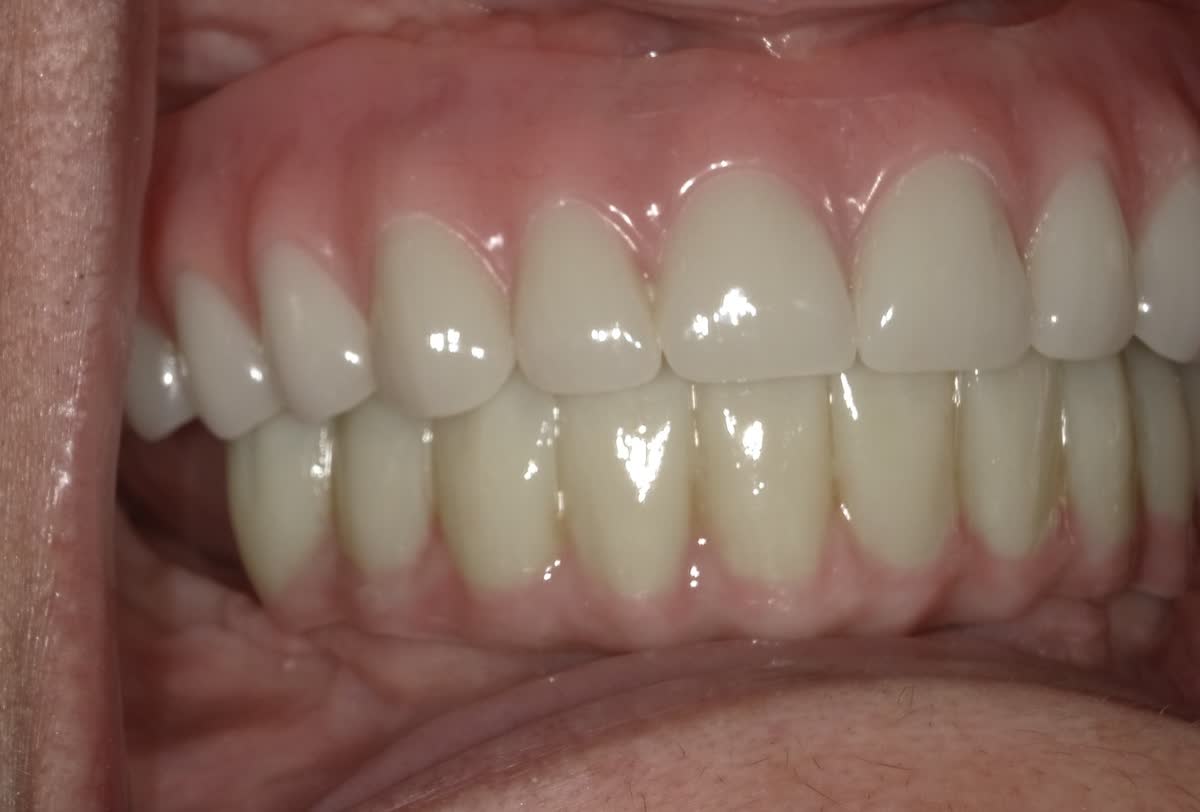
A lower LOCATOR FIXED® restored by Dr. Paulson with a new upper denture — delivered October 2023.Actual Arbor Dental patient
Good To Know
Questions, answered.
I already have a snap-in denture. Can it become fixed?
Very often, yes — that is the signature move. If your overdenture runs on LOCATOR® abutments and you have at least four implants positioned suitably, the conversion frequently happens in one appointment, without new surgery. An exam tells us for certain.
Can I go back to removable later?
Yes. The abutments don’t change, so the decision is not a one-way door — swapping back is a component change, not a new treatment plan.
How do I clean something I can’t take out?
You brush it like natural teeth. What changes is the deep cleaning: instead of soaking a denture, you see us on a regular schedule — the prosthesis comes off in seconds in the chair, everything underneath is cleaned professionally, and fresh inserts go in.
What if my implants aren’t perfectly straight?
The system is engineered to tolerate meaningful implant angulation — one of the reasons existing implants so often qualify. Whether yours do is an exam question, not a guess.
Is it as strong as a screw-retained bridge?
It is a different engineering approach at a different tier — typically less invasive, requiring less bone reduction, and easier to service. For many patients it delivers the fixed-teeth life they wanted from the expensive option, at the tier below it. Where a screw-retained bridge is genuinely the better answer, we will say so.
Who places the implants if I need them?
A surgical specialist — an oral surgeon or periodontist we work with — places implants; Dr. Paulson plans the teeth first and restores them after. The implants page walks through how that team works.

Ready when you are.
New patients are welcomed with an unhurried, comprehensive first visit — photographs, a conversation about your goals, and a plan you'll understand completely.
Schedule a Consultation